
Built-in Jacking System of the Y Type
To many lay persons, once a car has had a major restoration, they think that is it for the next 30-odd years. Oh, if only that was true. I run three 1950s British motorcycles and a MG YB. At any time one of them will require a bit of TLC, a service, a minor repair, and so on. It is very rare to have a month go by without me getting my finger nails dirty although all of them have been ‘restored’. The problem is, I use them, often. The latest little brain teaser was from the YB. As I pushed it out of the garage, there on the garage floor (covered in old cardboard boxes opened up to catch oil leaks) was a pool of oil. It was clean oil. It was on the front-near-side where the car had been. As I’ve had the car nearly 28 years now, I knew what the fault was. It was not an XPAG oil leak as that oil is invariable black.
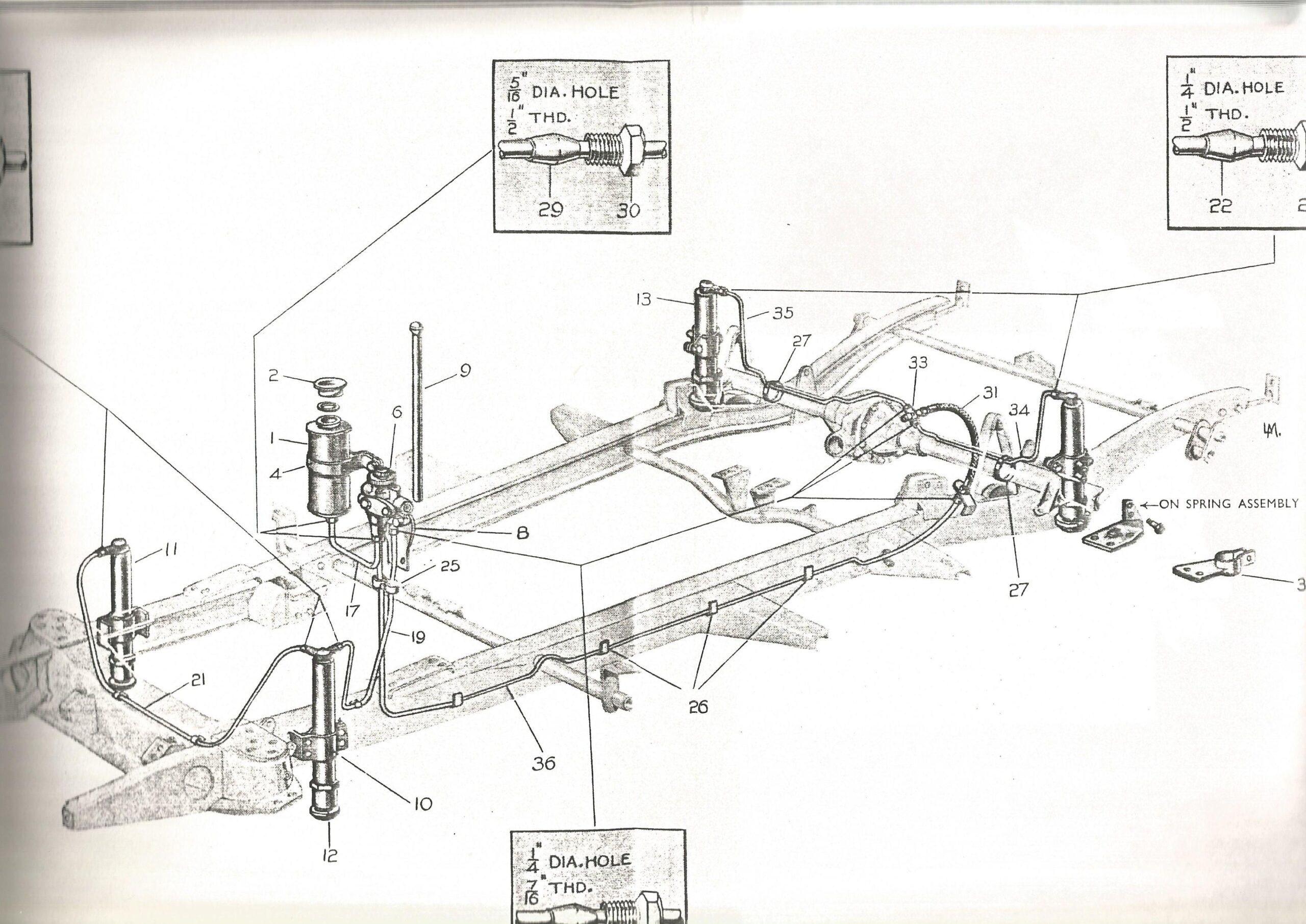
The Y Type has its very own, built-in jacking system. Unusually mine is in fully working order and I use it (with axle stands as I’m not that brave). There are four jacks, two bolted to the chassis at the front just aft of the suspension cross-member. The other two are bolted to the rear axle case. An almost identical system is found on the Morris Ten Series ‘M’, the Ford Pilot and the big pre-WW2 MG saloons. I do get quite a lot of queries on the internet about the ‘Jackall’ system of the Y as some owners wish to get their system up and running; seems I’m the only fool to write articles about it.
My YB’s FNS jack’s seal had had enough, and was leaking badly. They are called ‘bucket seals’ in that the more pressure applied to them by the oil, the tighter they grip the telescopic ram. Alas this also means that when there is no pressure in the system, they relax and can leak when old and worn. Being a technical type chap I keep some spares so I can carry out renewal of items that have failed, then I re-furbish the removed bit, like water pumps, dynamos, gearboxes, and Jackall jacks. I have some, one under the bench ‘in stock’ having fitted new seals to it last year. To be awkward, the Y Type has long jacks at the front and shorter ones on the rear. The diagram shows the layout. All I need do was remove and fit a serviceable one. If you are a novice, remember to put axle stands under the front cross member when you jack up the car, AND chock the rear wheels. It is best to loosen the wheel nuts prior to jacking. Use a barrier cream on your hands and have some Swarfega handy to wash them after.
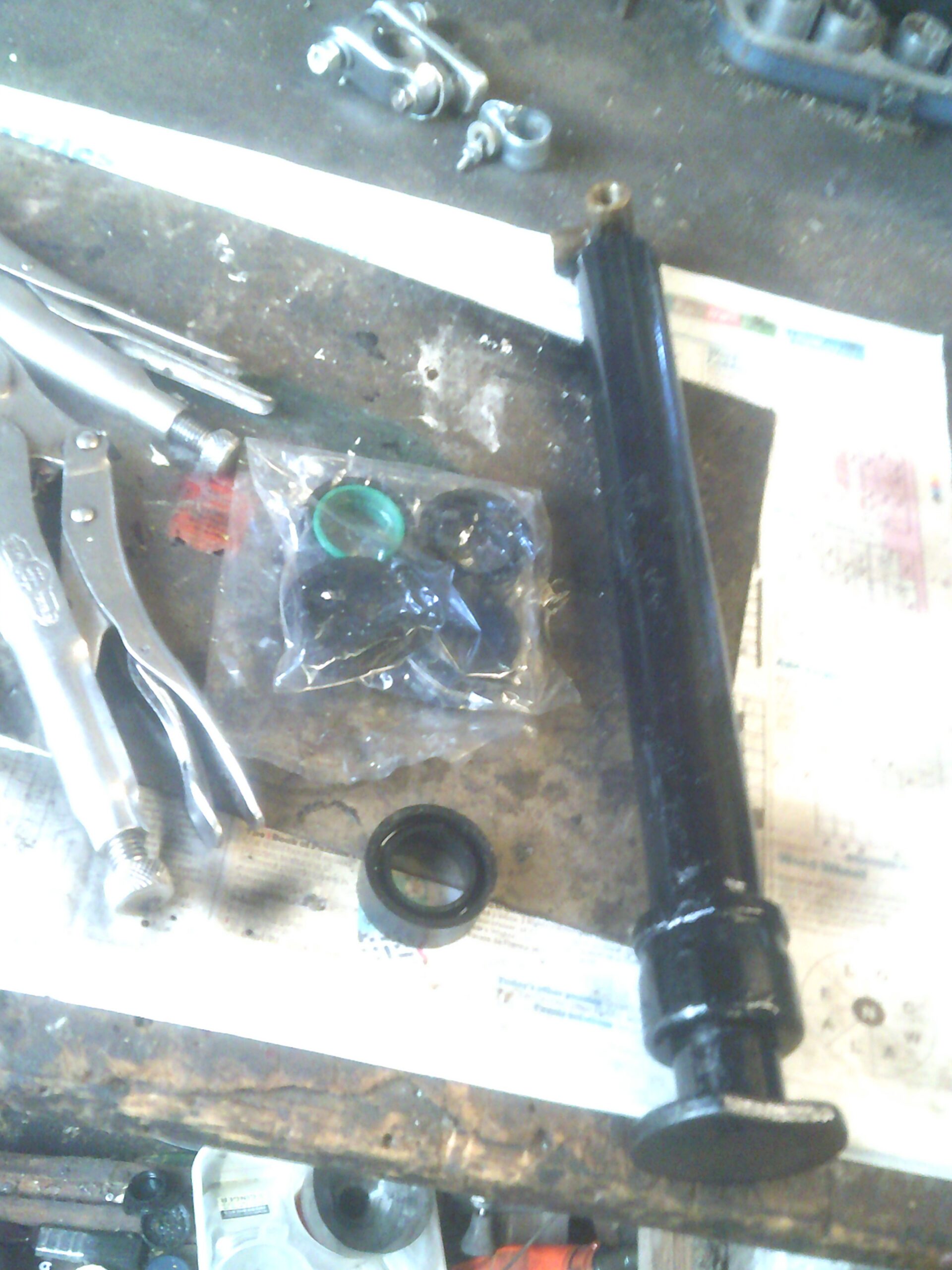
Picture (1) shows the fully serviceable jack on the bench ready for fitting. The MGCC Y Register website has a full article on how to fit new seals to these jacks, not a job for the faint hearted. Go to < https://www.mgccyregister.co.uk/technical-information/ > and scroll down to ‘Jackall Repairs’.
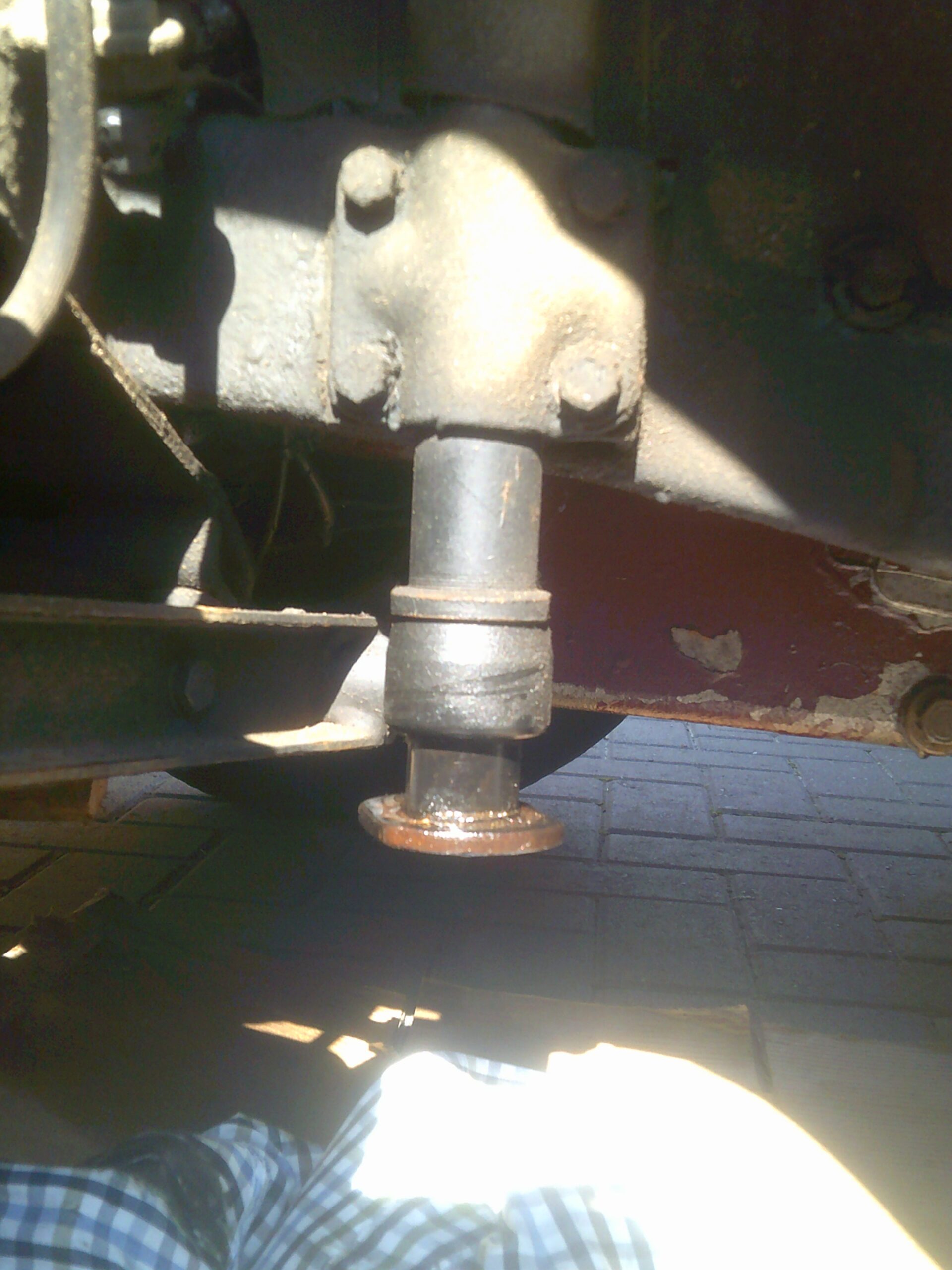
Picture (2) shows the errant jack, note the oily bottom end. Before you remove it note its position in the clamp. Failing to do this will mean the pipes will not line up on the new one.
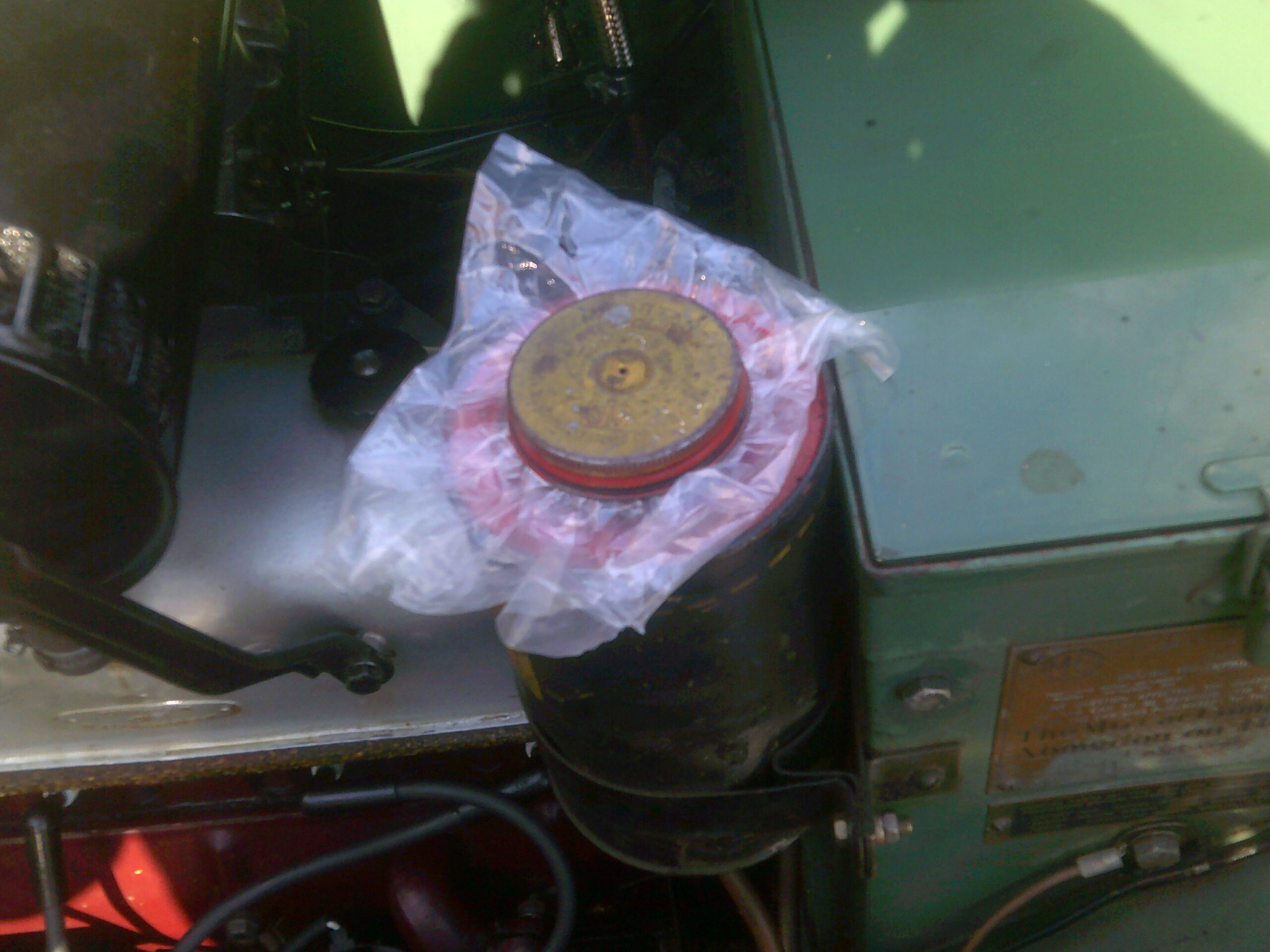
Picture (3) shows how you stop the reservoir from draining onto the floor when you undo the pipes. Use a plastic bag under the cap to seal it.
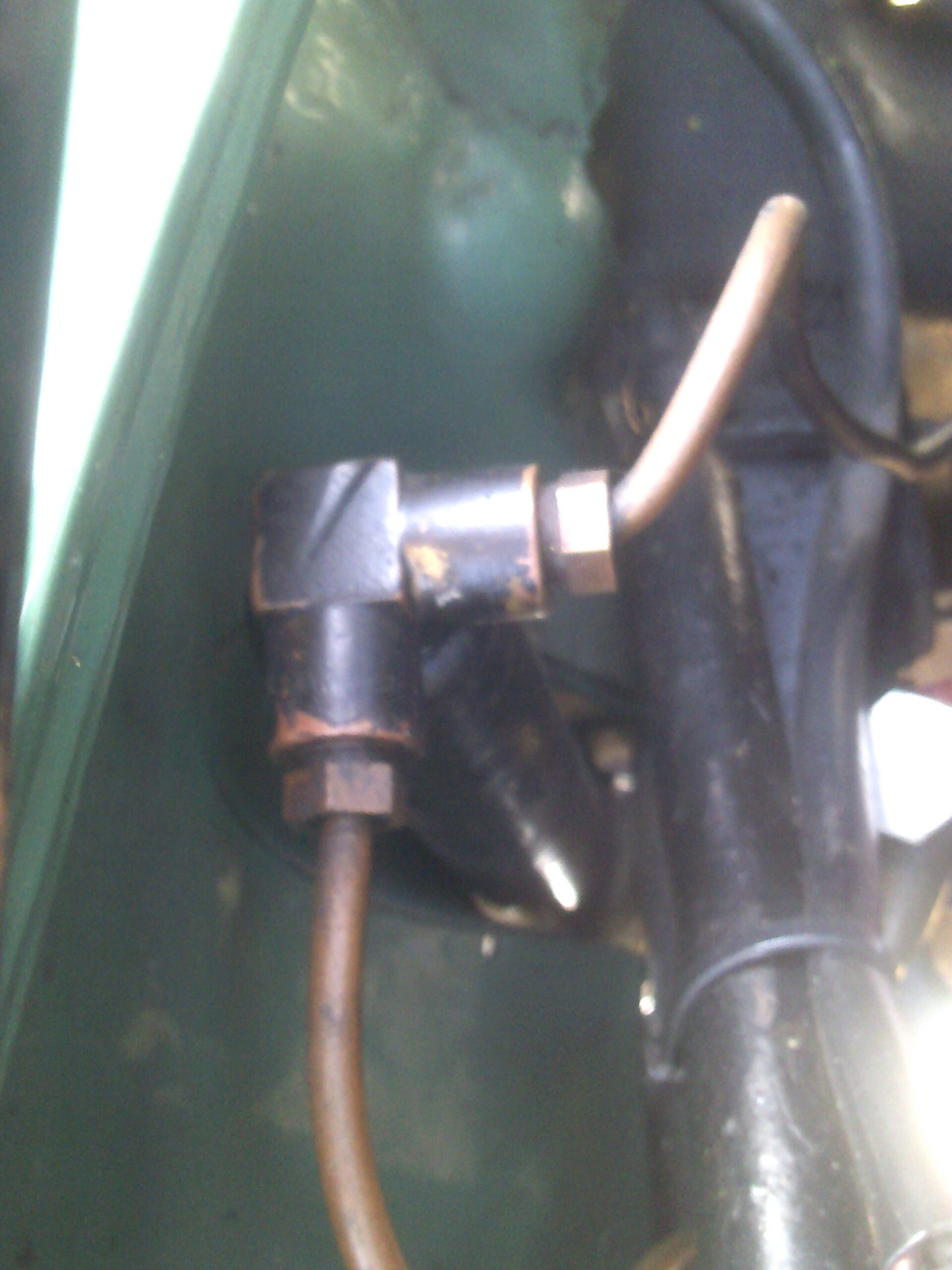
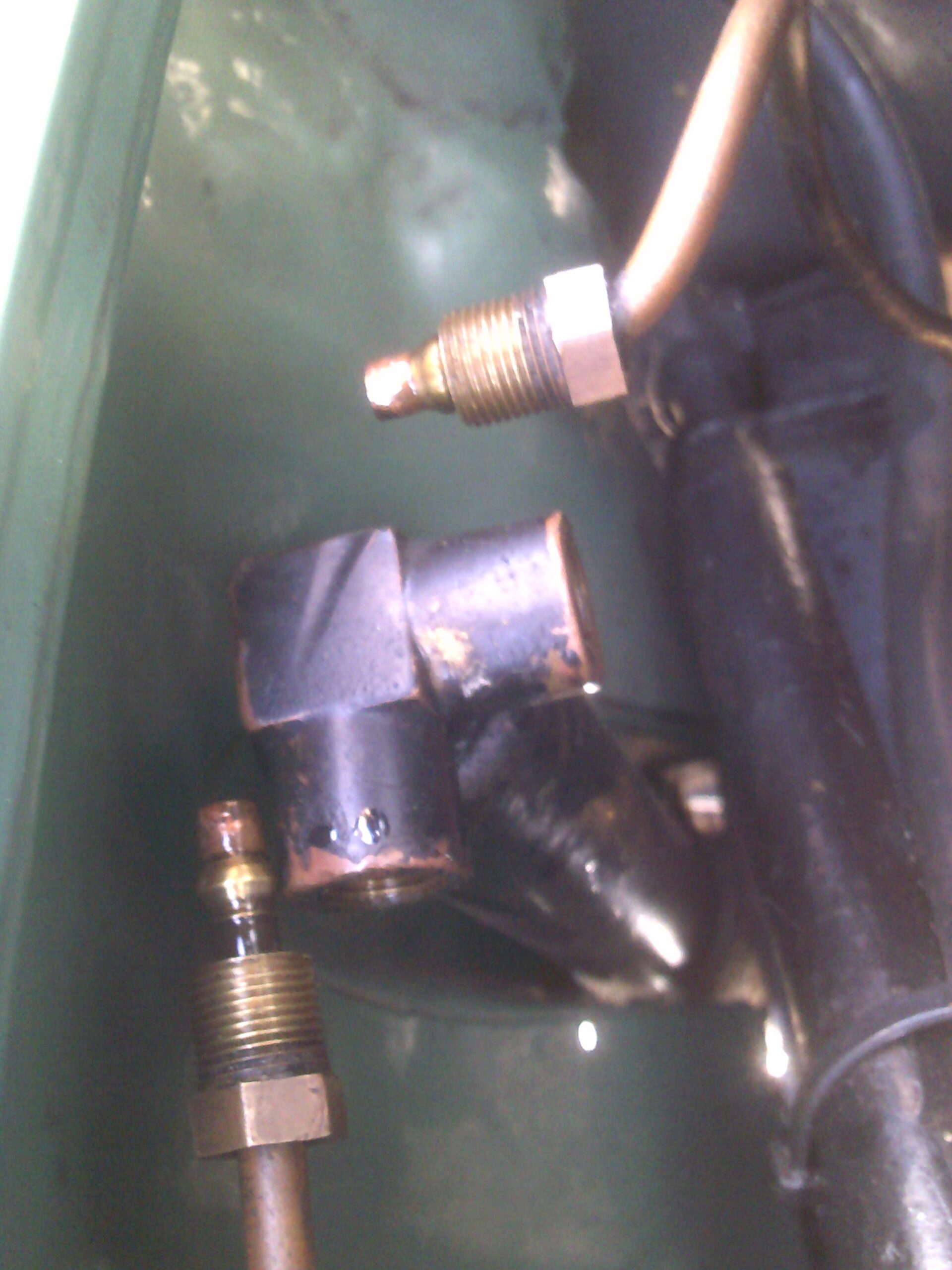
Picture (4) shows the two pipes required disconnecting and (5) them undone. There are two as one feeds the jack the other side.
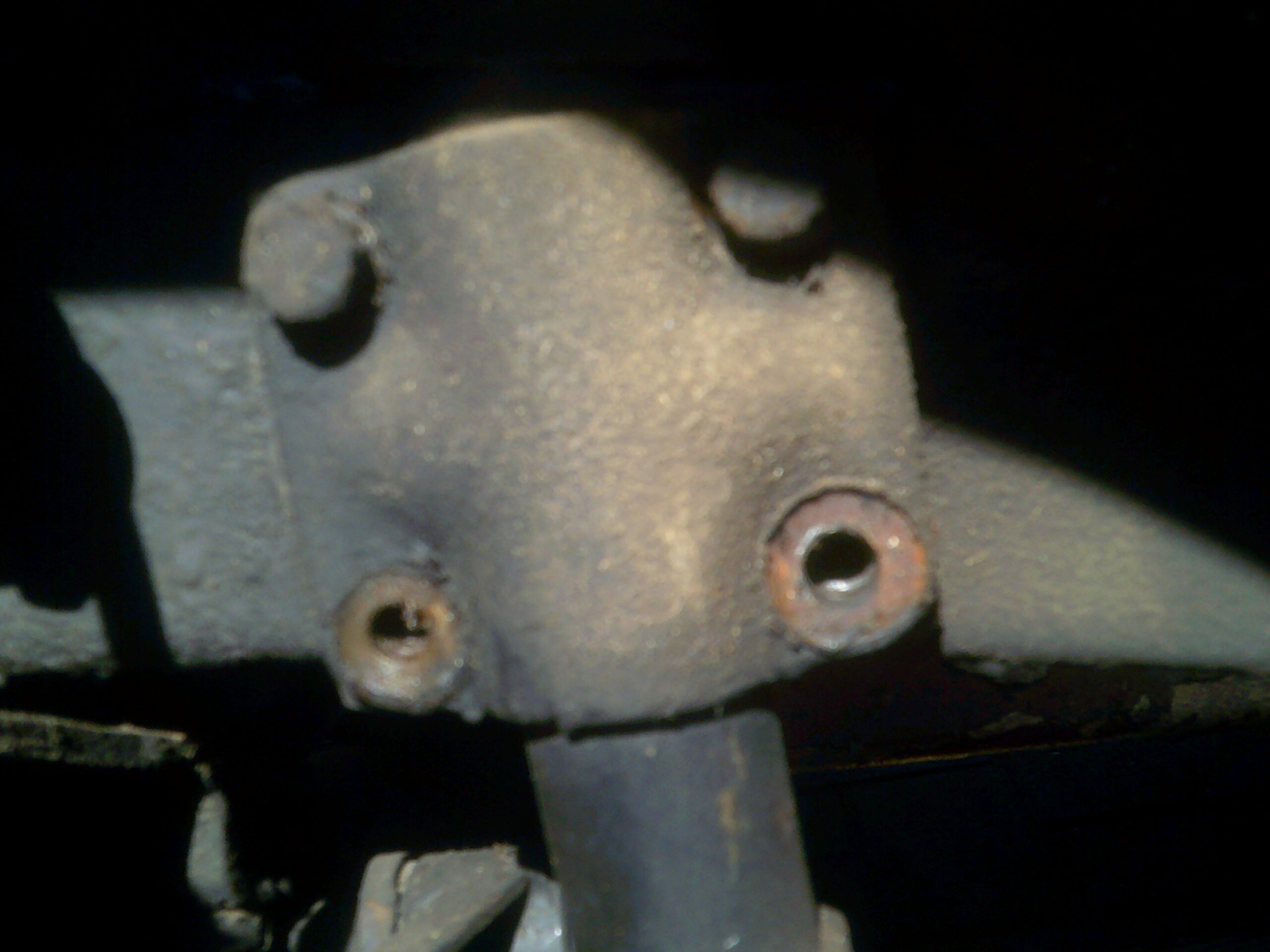
Picture (6) is under the wing and the jack clamp set-screws being removed. (A set-screw has a thread up to its head, an ordinary bolt has thread only on part of the shank.)
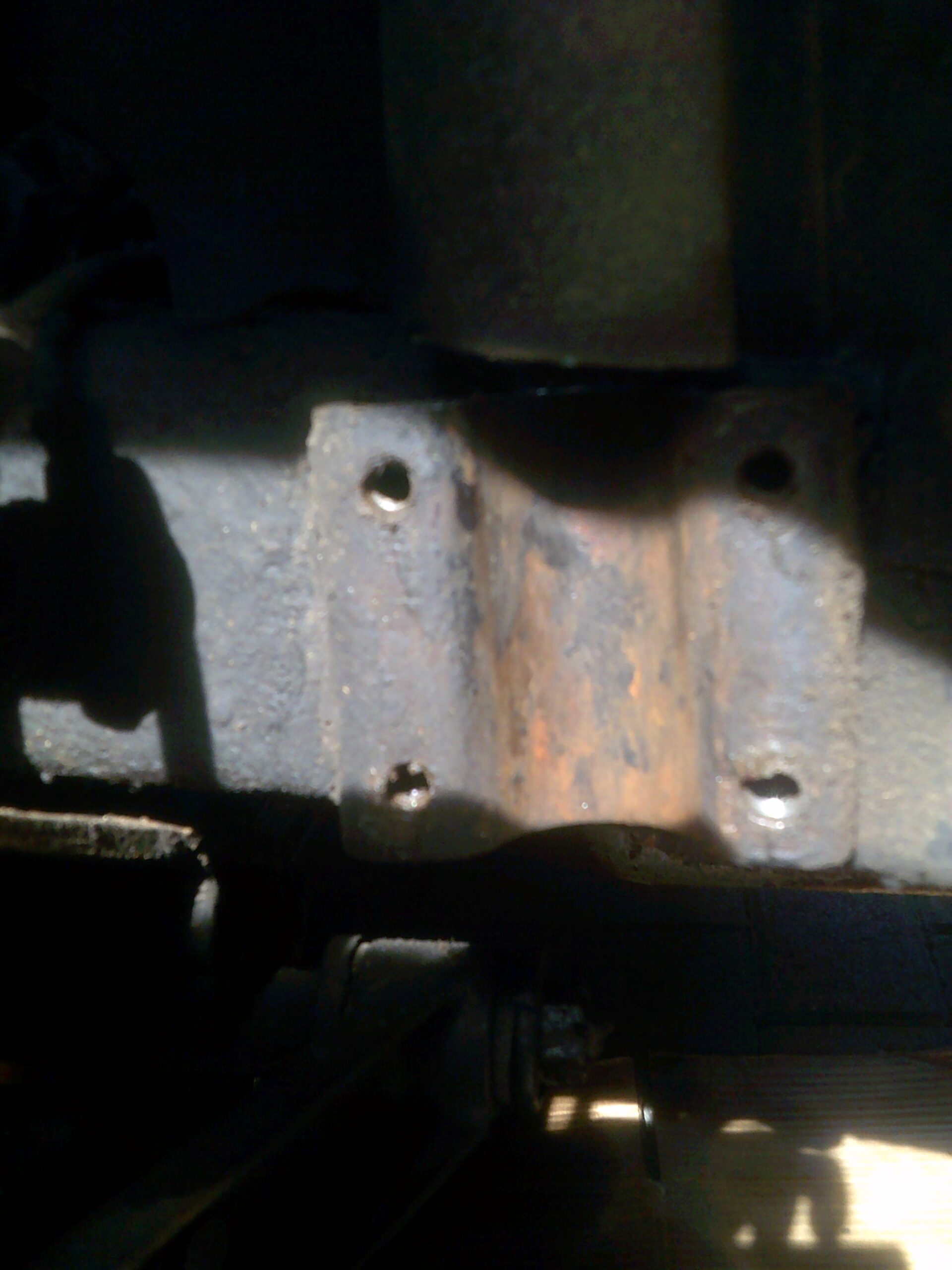
Picture (7) is the half of the clamp that is welded to the chassis. Both halves will require a wire-brush clean and a thin smear oil grease to reduce corrosion.
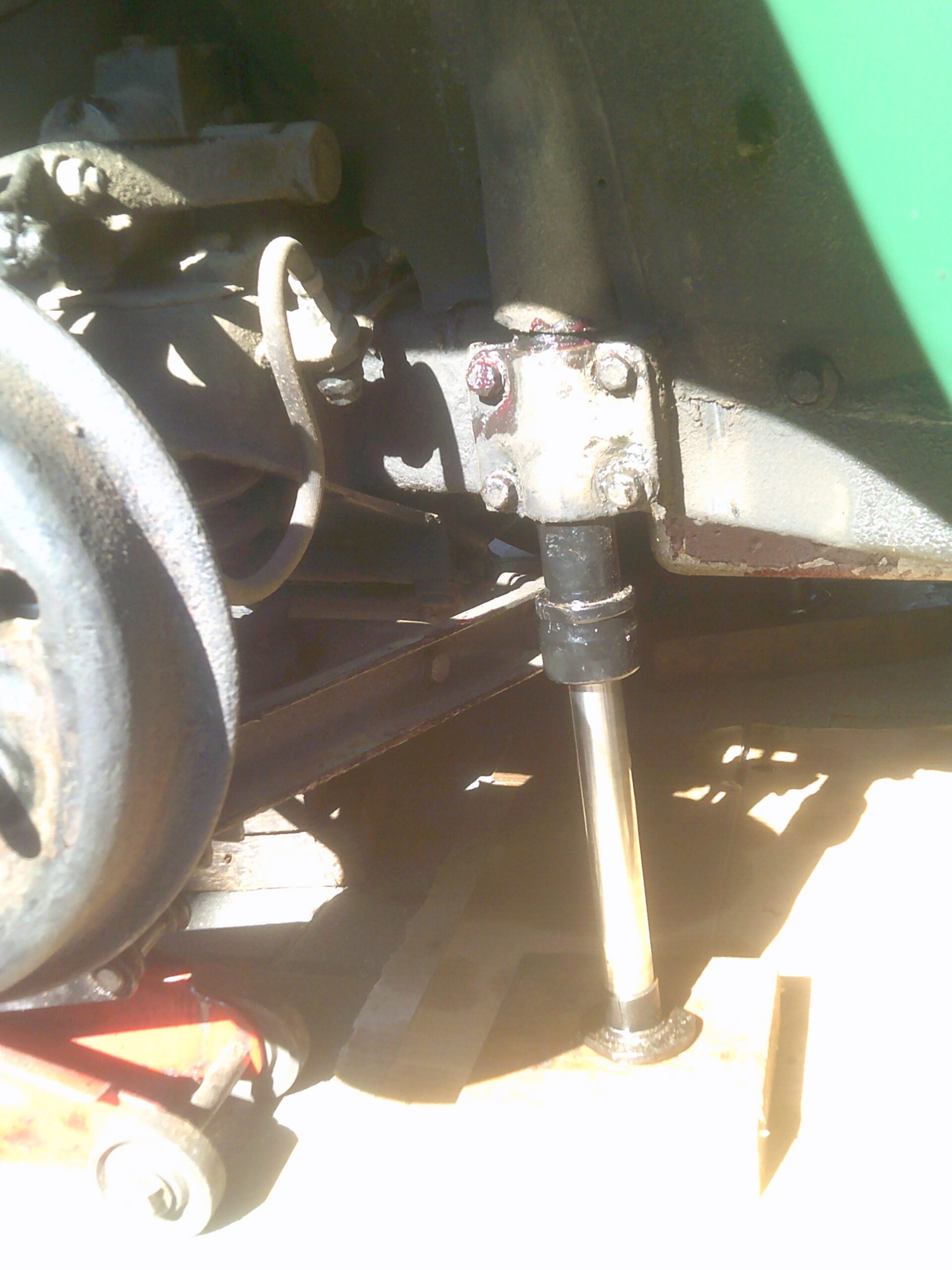 Picture (8) is the replacement jack bolt into its clamp and extended. Put a little oil on the set-screw threads so it is easy to remove them next time.
Reconnecting the pipes should present no problems as long as you are very careful to ensure they align with the holes. Cross-thread them and you will need new pipes and unions. Remove the plastic bag reservoir seal, top up the oil. Use a SAE 20 mineral oil on the Y, motorcycle fork oil is best but normal engine oil is OK but it will foam a bit. I then pumped down and released the front jacks a few times to charge the system with oil as the ‘new’ jack was empty. This means adding a little more oil on completion.
Oil leak cured until the next jack decides its seal has had enough. On the YB ensure you align the hole in the wheel centre with the brake adjuster hole in the brake drum when you refit the wheel. The YA/YT’s adjuster is on the back of the back-plate. Remove the axle stands, fully tighten up the wheel nuts, remove the chocks from the rear wheels.
NC.